A First-of-Its-Kind Look at Field Services Nationwide: New Data Report Released

A First-of-Its-Kind Look at Field Services Nationwide: New Data Report Released

A First-of-Its-Kind Look at Field Services Nationwide: New Data Report Released

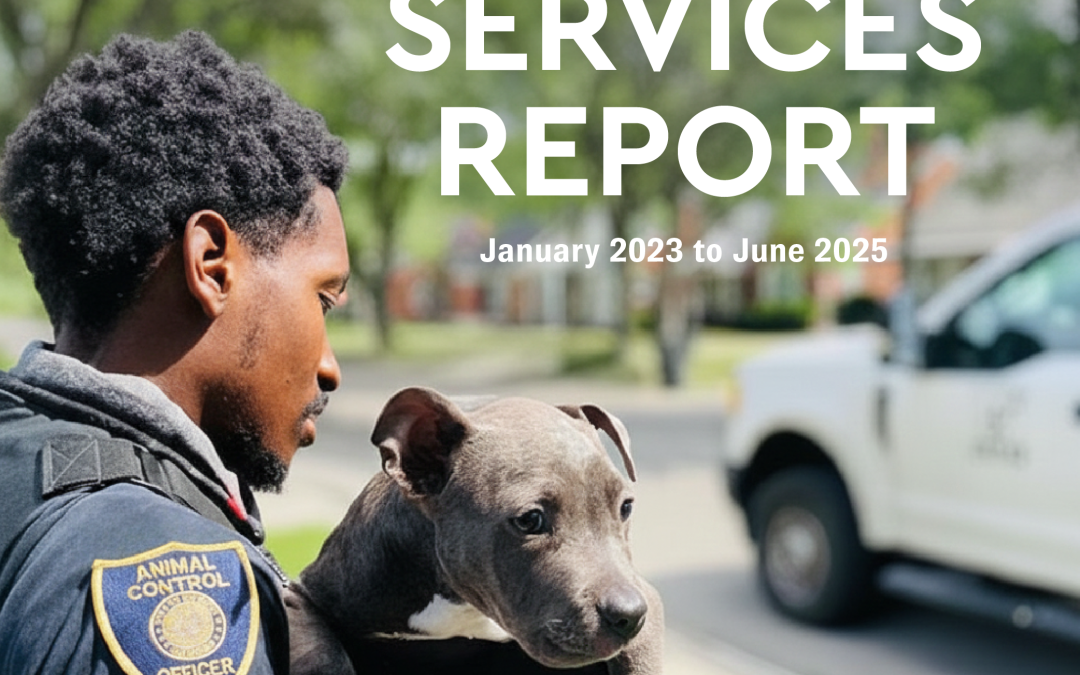
The landscape of animal control field services is rapidly evolving, yet until now, very little national-level data existed to represent the daily realities of this critical work. That changed today.

Shelter Animals Count (SAC), in partnership with the National Animal Care & Control Association (NACA) and with data support from Shelterluv, has released the first-ever national report dedicated entirely to animal control field services. This analysis represents a major milestone for the profession — and a vital step toward understanding, improving, and advocating for the officers and agencies working on the front lines of community safety and animal welfare.

As the leading organization supporting field officers nationwide, NACA is proud to help shine a spotlight on this essential work. Below, we break down the key insights and what they mean for the future of the field.

Why This Report Matters

Field services are a cornerstone of animal welfare and community safety, yet historically, they’ve been underrepresented in national datasets. While shelters have long tracked intake and outcomes, the day-to-day work of officers in the field — where most interactions with animals begin — has largely gone unmeasured.

By analyzing de-identified field data contributed through Shelterluv, this report begins to close a significant information gap. It gives agencies, policymakers, and communities a data-backed understanding of what field officers do every day, the challenges they face, and the opportunities ahead for more consistent tracking and resource support.

This is just the beginning — but it is a meaningful first step toward building a clearer, more unified national picture of field operations.

Key Findings at a Glance

The full report offers a deep dive into nationwide activities, but several themes emerge across agencies:

1. Quality of Life Calls Make Up the Majority of Activity

· These calls account for 60% of all field events.

· The category is driven largely by stray and at-large animals.

· Only 19% of these calls result in shelter intake, highlighting the problem-solving and community support nature of most field work.

2. Public Safety Remains a Core Priority

Public Safety calls make up 22% of all documented activity, including:

· 37% involving support for police, fire, or EMS

· 29% involving aggressive animals

· 22% related to bite incidents

This reinforces that field officers play an essential role in the broader public safety network.

3. Welfare Investigations Show Strong Emphasis on Education

Welfare-related calls make up 11%, including welfare checks, neglect concerns, and potential cruelty cases. Most of these situations are resolved without legal action. Instead, officers lean heavily on:

· Education

· Resource support

· Compliance checks

· Confirmation that no violation occurred

4. Most Animals Have Only One Recorded Interaction

Data shows that 70% of tracked animals had a single recorded encounter with officers. The remaining 30% represent recurring or ongoing cases — including return strays, welfare follow-ups, or community animals with ongoing needs.

What This Means for the Future of Field Services

This report marks a significant turning point for the field. With clearer data comes clearer opportunities:

· Stronger advocacy for resources, staffing, and training

· Better understanding of community trends and needs

· Improved professional standards through nationwide benchmarking

· Foundation for consistent data collection, something historically missing but essential for progress

For NACA, this analysis reinforces what officers have long known: their work is diverse, complex, and deeply rooted in both public safety and community care.

NACA’s Commitment to Field Professionals

NACA is committed to supporting officers and agencies as this data-driven era evolves. From field operations training to policy advocacy to national conversations about standards and certification, our focus remains steady — elevating and empowering those who do this work every day.

We encourage our members, partners, and community stakeholders to explore this groundbreaking report and join us in building a stronger, more informed future for field operations nationwide.

Read More

Read the full Shelter Animals Count Field Services Data Report here:
https://www.shelteranimalscount.org/field-services-data-report-2025

Explore more NACA resources, training, and news on our website:
Member Resources – National Animal Care & Control Association

Celebrating Animal Shelter Staff: The Heart of Animal Welfare 

Celebrating Animal Shelter Staff: The Heart of Animal Welfare 

Celebrating Animal Shelter Staff:

The Heart of Animal Welfare

Last week, we celebrated Animal Shelter Appreciation Week, a time to recognize the dedicated professionals who care for animals and serve their communities every single day. From cleaning kennels before the sun rises to comforting frightened pets, managing adoptions, and supporting families in crisis, shelter staff are the heart of animal welfare.

Their compassion, resilience, and commitment keep shelters running and communities thriving. They are often the first to greet an abandoned pet, the ones who help them heal, and the last to say goodbye when that animal finds their forever home.

At NACA, we believe shelter staff deserve not only our gratitude — but also the training and tools to feel confident, safe, and supported in their work. That’s why we’re proud to announce the launch of our newest certification: ShelterSafe™.

The NACA ShelterSafe™ Certification is designed to strengthen the foundation for anyone working or volunteering in animal welfare — from new shelter employees to experienced team members looking to refresh their knowledge.

This self-paced certification introduces the core concepts every shelter or animal welfare professional should know — from the foundations of humane care and animal welfare principles, to understanding body language for safe interactions, and maintaining effective sanitation practices.

ShelterSafe™ can easily be integrated into your existing onboarding or training program. Agencies can even assign it before a new employee’s first day, ensuring they arrive with a strong understanding of animal welfare basics and workplace safety.

Investing in staff training is one of the most powerful ways a shelter can improve retention, morale, and community impact. When staff feel equipped and supported, they’re more likely to grow, stay, and lead within the organization.

The ShelterSafe™ Certification empowers agencies to build that foundation — one that supports both the animals and the people who care for them.

This course features updated best practices and expert-led instruction from leaders across the field of animal welfare, ensuring your team receives the most current, credible, and practical information available.

Take a moment to thank the incredible people behind every successful adoption, every clean kennel, and every wagging tail. Their compassion and dedication save lives every day.

To learn more about the ShelterSafe™ Certification or to enroll your team, visit dev.savvysites.net/.

Let’s celebrate our shelter heroes — and give them the tools they deserve to keep making a difference.
2025 ANIMAL SHELTER  APPRECIATION WEEK  AWARD WINNERS

2025 ANIMAL SHELTER APPRECIATION WEEK AWARD WINNERS

CELEBRATING OUR 2025
NATIONAL ANIMAL SHELTER APPRECIATION WEEK |
AWARD WINNERS

Nominated by a body of their peers for outstanding excellence.

NACA 2025 – Rising Star Award

For new or up-and-coming team members who go above and beyond.

Matheajoy Emerson

“MJ brings heart, hope, and humanity to every corner of the shelter.”
Prince George County Animal Shelter

NACA 2025 – Community Champion Award

Celebrates those who strengthen connections between the shelter and the public through outreach, education, or partnerships.

Julie Campbell

“Our team is inspired by how small acts of compassion can transform entire communities. Every day at Brampton Animal Services, we’re motivated to create programs that empower people, support animals, and foster a culture of empathy and belonging.”
Julie Campbell
Brampton Animal Services, Ontario, Canada

“Julie has become a bridge — connecting animals, families, seniors, rescuers, and entire neighborhoods through compassion and care.”
City of Brampton Animal Services

NACA Membership Award- Sioux Fall Area Humane Society

This year, we received a thoughtful and heartfelt nomination submitted on behalf of Taran, whose leadership and dedication reflect the strong values of the entire agency. Her colleagues highlighted the agency’s commitment to partnership-building, meaningful community outreach, and a visionary effort to help advance the animal welfare profession in South Dakota.

The nomination underscored not only Taran’s compassion and determination, but also the important work the agency is doing to strengthen services and support its community. That level of impact deserves recognition.

In appreciation of the excellence showcased in Taran’s nomination, we are proud to award the agency a complimentary one-year NACA Agency Membership.
https://www.sfadopt.com/
Taran McLain, Humane Officer Supervisor

“My work is driven by compassion and a belief that empathy and education can keep pets in their homes and strengthen the human–animal bond. I strive to support our community through understanding and practical solutions that protect both people and their pets. My goal is to create lasting change by improving local ordinances and state laws to ensure the wellbeing of all animals in our care.”

Why Insurance Matters in Animal Services

Why Insurance Matters in Animal Services

Why Insurance Matters in Animal Services

Animal services are built on compassion and community protection. Every Animal Control Officer (ACO), shelter worker, and volunteer shows up because they believe in giving animals and people a safe environment. But behind every rescue, impound, and adoption lies something less visible but absolutely essential: insurance and liability protection.

Whether an agency is publicly run by a city or county or privately funded through a nonprofit, one fact remains: they must maintain liability coverage to operate. Without it, shelters can’t open their doors, officers can’t place animals safely, and the public’s trust is put at risk. Insurance is what shields organizations—and the municipalities behind them—from devastating financial exposure.

The Shifting Risk Landscape

Animal services come with inherent risks, especially when it comes to dogs with bite histories or unpredictable behaviors. If a dog with a documented bite history is adopted out and injures again, the agency could face lawsuits costing hundreds of thousands of dollars.

For municipal agencies, this risk doesn’t just fall on the shelter—it extends to the city or county government, their risk management teams, and ultimately taxpayers. For nonprofits, the consequences can be even more severe, sometimes resulting in the loss of insurance altogether. Either way, once an organization is deemed uninsurable, its ability to place animals or even operate is jeopardized.

Waivers: Limited Protection

Waivers may seem like a solution for transferring liability when adopting out a risky dog. But legally, a signed waiver does not erase the organization’s responsibility—especially if there is prior knowledge of the dog’s behavior. Courts often find that shelters and agencies hold a continuing duty of care, no matter the paperwork.

For municipal agencies, the issue is compounded: liability waivers rarely shield government entities from claims. Ultimately, thorough documentation, risk-based decision-making, and full transparency remain the most reliable safeguards for both officers and agencies.

When Euthanasia Isn’t Optional

Behavioral euthanasia is one of the most painful realities of the job. But in many cases, it’s not optional. Holding onto a dangerous dog without a safe adoption pathway endangers staff, volunteers, foster families, and the public.

For ACOs, this reality often plays out in the field. Officers may be the first to document aggression, enforce dangerous dog ordinances, or testify in court cases. Their reports and actions directly affect both community safety and insurance risk. These are not cold or careless decisions—they are decisions made to protect people, preserve resources, and keep doors open for the majority of animals that can be safely rehomed.

What Officers and Communities Can Do

  • Document Thoroughly: Clear, detailed reports from ACOs on bite incidents, behavioral concerns, and housing conditions create a strong foundation for risk management.
  • Support Behavioral Programs: Training, enrichment, and behavior modification programs reduce liability while giving more animals a safe chance at adoption.
  • Promote Prevention: Spay/neuter, licensing, and community outreach reduce intake and minimize the flow of high-risk cases into shelters.
  • Be the Safety Net: Fostering, adopting, and volunteering—especially with pets that are often overlooked—helps relieve shelter pressure and mitigate tough placement decisions.

Why This Matters for ACOs

For most NACA members working in municipal field services, insurance may feel like an administrative issue outside of daily duties. But it impacts everything:

  • If a shelter loses coverage, ACO impounds may have nowhere to go.
  • Bite histories and dangerous dog cases create liability that must be carefully documented and managed.
  • Government leaders look to field officers’ reports and testimony to justify risk-based decisions in court or council chambers.

Insurance may sit behind the scenes, but it underpins the authority, safety, and sustainability of every municipal program.

A Shelter Without Insurance Can’t Operate

It really is that simple. Insurance is not just paperwork—it’s the safety net that allows animal services agencies to save lives while protecting communities. Without it, there’s no intake plan, no adoptions, and no second chances.

As a profession, we must work together—field officers, administrators, nonprofits, and the public—to ensure shelters don’t have to choose between safety and compassion. With the right systems, documentation, and community support, we can give animals second chances without sacrificing public trust or officer safety.

Pasadena Pilot: Field Forward – NACA’s New Approach to Real-Time Process Improvement

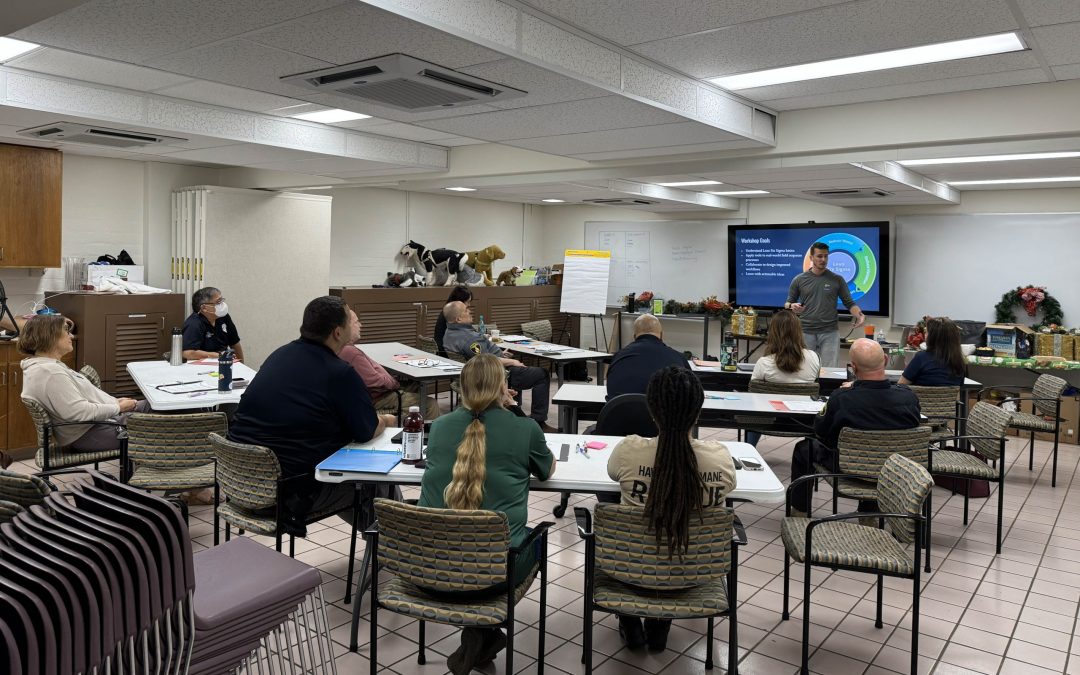
NACA recently completed a groundbreaking two-day pilot program in Pasadena, California, as part of Field Forward – a program by NACA. The pilot was led by Lean Six Sigma Certified Board President Spencer Conover, Executive Director Jerrica Owen (also Lean Six Sigma certified), and Mike Wheeler, who completed the full two-day field services assessment. This innovative model combined a comprehensive department assessment with an immersive process improvement workshop, and the results have us energized for what’s ahead.

What made this pilot truly progressive was the shift from traditional policy review to hands-on, officer-led problem solving. Over two days, Pasadena’s animal control officers took the lead: examining their own processes, identifying strengths and challenges, and collaborating across roles to develop real solutions.

This wasn’t top-down training. Instead, it was a space for the team to think critically, share openly, and build a roadmap forward together. From streamlining response protocols to improving internal communication, the workshop sparked meaningful conversations and collective action.

Paired with the department assessment, which included officer ride-alongs for a true on-the-ground perspective, we gained deep, real-world insight into the team’s daily challenges and opportunities. Spending two days side-by-side with officers reinforced NACA’s evolving culture: working directly with professionals in the field to create sustainable, effective change from the ground up.

The workshop itself was shaped in real time by insights gathered during the assessment. Together, we explored what’s working, what’s not, and what practical steps the team can take moving forward. The level of buy-in, the depth of discussion, and the energy in the room made one thing clear: meaningful change isn’t just possible—it’s already happening.

And this is only the beginning. We’re excited to refine this Field Forward model and expand it to more agencies and officers across the country. Stay tuned!