Animal Control Officers Deserve More Than Appreciation—They Deserve Support

Animal Control Officers Deserve More Than Appreciation—They Deserve Support

Animal Control Officers Deserve More Than Appreciation—They Deserve Support

When people hear the term “animal control officer,” outdated images of someone chasing stray dogs might still come to mind. But today’s animal control officers (ACOs) are highly trained professionals who play an essential role in keeping both animals and people safe. With the 2025 Animal Control Officer Appreciation Week coming up April 12 to 19, there is no better time to recognize the real scope of their work and advocate for the tools and support they need.

At the National Animal Care & Control Association (NACA), we believe that appreciation starts with action. These officers are often first on the scene during emergencies involving animals, but their responsibilities stretch far beyond enforcement. ACOs are educators, mediators, crisis responders, and community connectors. They work long hours in challenging conditions and respond to emotionally charged situations with compassion and professionalism.

The Scope of an ACO’s Job

Animal control officers do so much more than enforce animal ordinances. They:

  • Rescue pets from dangerous conditions, including extreme heat or cold
  • Respond to emergencies and disasters
  • Reunite lost pets with their families
  • Assist community members facing eviction, incarceration, or homelessness
  • Investigate cruelty, neglect, hoarding, and abuse cases
  • Manage wildlife, exotic animals, and farmed animal incidents
  • Work closely with law enforcement, courts, health departments, and social services
  • Educate the public on humane care and animal-related laws

They are on the front lines of public health and safety. They protect the voiceless while also serving the people who love them. And they often do all this with limited staff, tight budgets, and little recognition.

Appreciation Is Just the Beginning

Animal Control Officer Appreciation Week is a chance for agencies, communities, and partners to say thank you. But gratitude should not stop there. Let’s use this week as a moment to push for the real changes that will help ACOs thrive in their roles.

Here’s how you can help:

  • Share your support publicly during ACO Appreciation Week using the hashtag #ACOAppreciation
  • Talk to your local leaders about improving compensation, training, and access to resources
  • Encourage your agency or organization to highlight the important work of your local ACOs
  • Visit dev.savvysites.net/ to learn more about professional standards and support
  • It’s time to go beyond thank you. Let’s give animal control officers the respect, resources, and recognition they have earned.
Building Connections & Community

Building Connections & Community

Building Connections and Community:
A Day with Northern Nevada’s
Animal Control Officers

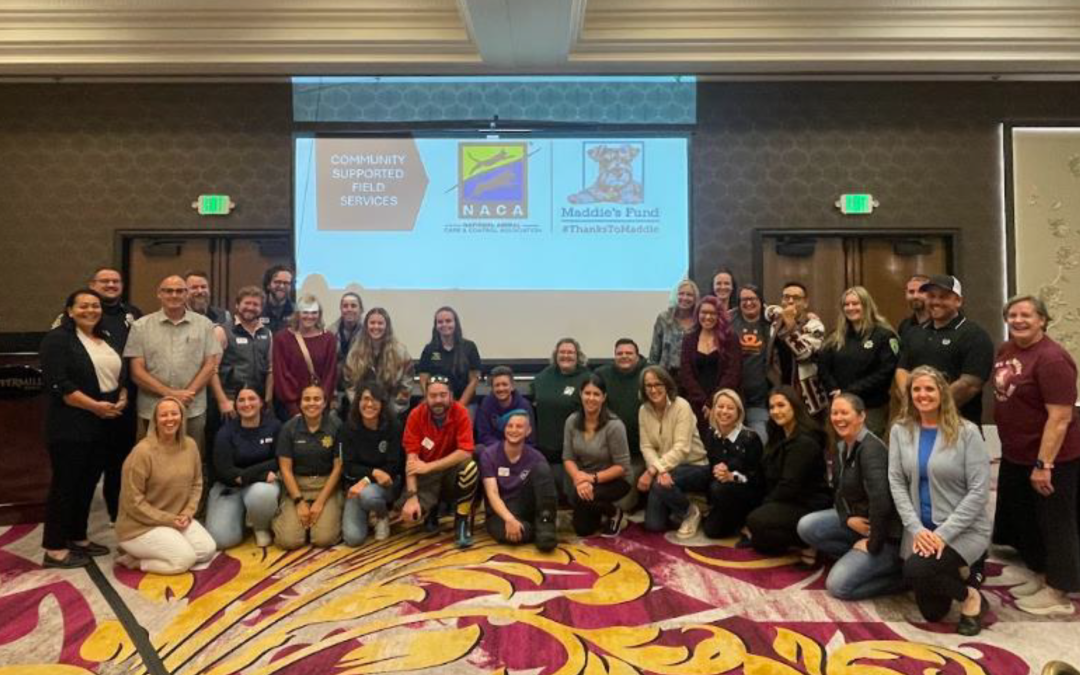
In a significant step toward community-centered animal care and control, the National Animal Care & Control Association (NACA) recently hosted a one-day event in Reno, Nevada, bringing together animal control officers from the Northern Nevada region. Funded by a generous grant from Maddie’s Fund, this gathering focused on empowering officers with the skills, tools, and connections needed to foster stronger relationships through their role within the community.

The event provided officers with a unique space to network, learn from each other, and gain practical skills they could apply immediately. Topics centered around personal growth, community engagement and included sessions on communication techniques and innovative approaches to establishing deeper trust with the communities they serve. Officers learned strategies designed to help them communicate effectively with community members, resolve conflicts, and create partnerships that support animal welfare.

Participants didn’t just leave with new knowledge—they left with tangible tools to help implement what they learned. For example, officers were given supplies for practical community tasks like fence mending, reinforcing the idea that animal control work often involves helping residents directly care for their pets and property. Additionally, communication tools provided at the event were crafted to help officers better navigate conversations and build positive interactions with the people they serve.

Throughout the day, the atmosphere was one of camaraderie and shared purpose. Officers from different departments connected over their common goals and challenges, forming a network that will help them support each other beyond the event. 

Reflecting on the day’s impact, one participant shared, “This event reminded me of why I do this work. It’s not just about animals—it’s about the people and communities we support.” 


 With thanks to Maddie’s Fund, this 4th grant-funded community focused service event is part of our broader shared mission to enhance community relationships and elevate the animal care profession. By investing in community engagement, NACA and Maddie’s Fund are helping animal control officers build stronger, more compassionate connections with the communities they serve.

This event represents just one example of how NACA is working to create lasting change through community-focused initiatives—and we look forward to more opportunities to bring officers together, inspire new approaches, and foster community partnerships that truly make a difference. #ThankstoMaddie

April: Advocating for Animal Welfare – How Animal Control Officers Lead the Charge

April: Advocating for Animal Welfare – How Animal Control Officers Lead the Charge

April marks a significant month in the realm of animal welfare – it’s National Prevention of Animal Cruelty Month. This observance serves as a poignant reminder of our responsibility to protect and care for the animals that share our world. As we delve into this month, it’s crucial to recognize the pivotal role that animal control officers and agencies play in safeguarding the well-being of our furry companions.

Animal control officers are on the front lines, tirelessly working to ensure the safety and welfare of animals within their communities. Here are some impactful actions they can take to prevent animal cruelty and promote a culture of compassion:

 Connect with your community!

  • Educational Outreach: One of the most effective ways to prevent animal cruelty is through education. Animal control officers can organize workshops, seminars, and school programs to raise awareness about responsible pet ownership, animal welfare laws, and the importance of treating animals with kindness and respect. Start a campaign for spay/neuter!
  • Community Engagement: Building strong relationships with the community is essential for effective animal control. Officers can engage with residents through neighborhood meetings, social media platforms, and community events to address concerns, provide resources, and encourage reporting of suspected animal cruelty or neglect.

Collaboration is Key!

  • Collaboration with Other Agencies: Collaboration between animal control agencies, law enforcement, veterinary professionals, and animal welfare organizations is key to addressing complex issues related to animal cruelty. By working together, these stakeholders can share resources, expertise, and information to better protect animals and prosecute offenders.

Help a Horse!

  • April 26th is Help a Horse Day! Partner with a local horse rescue for an educational day within your community or host your own Help a Horse Day!

As we reflect on the significance of National Prevention of Animal Cruelty Month, let us commend the dedication and commitment of animal control officers who work tirelessly to protect the most vulnerable members of our society. Together, let’s strive to create a world where animals are valued, respected, and cherished, not only in April but every day of the year.

Animal Control Officers Deserve More Than Appreciation—They Deserve Support

Fallen Animal Control Officer Memorial

National Animal Care & Control Association (NACA) and Code 3 Associates are proud to announce the re-unveiling of the Fallen Animal Control Officer Memorial. NACA built the memorial to honor Animal Control Officers that were killed in the line of duty. Since moving from its physical headquarters, NACA and Code 3 Associates have partnered to re-erect the monument and we are excited to announce that the memorial will be back on display in late 2022. The NACA memorial, complete with the fallen officers’ names, will be on display at the Code3 Associates Head Quarters in Longmont Colorado for the animal control community to pay respects to the fallen.

#ACOAppreciationweek2022 #nacaaco


New Membership Fees- A Letter from Scott Giacoppo

Dear fellow animal welfare professionals

We are living through some very difficult times right now, yet those of us in the animal care and control field are persevering. NACA is committed to being by the side of every single person putting themself at risk to continue serving the animals and people in their communities. We also recognize that there are many of you who want to serve but cannot due to lay-offs, furloughs, reduced hours and slashed budgets.

With these challenges in mind, NACA is giving everyone the opportunity to share in the unity we provide and the benefits afforded to all members at a more reasonable cost. We have decided to cut our annual membership fee of $50 in half to $25, or only $20 if you are a member of a member state-affiliated association!

When we offered a free three-month trial membership in March, the response was overwhelming! Close to 900 people signed up and many began immediately accessing our benefits, such as viewing the archived training webinars that were conducted in partnership with the Justice Clearinghouse.

We took this immense interest as a sign that if NACA were more affordable, more people would join in our fight to bring our field the pride, professionalism and unity it deserves.  To those of you who signed up as a full member sometime after March 1, we are extending your membership to a two-year, fully paid membership giving you an additional year of benefits.

While times are tough out there, they are also tough here at NACA. We have been forced to cancel far too many of our NACHO training classes that we do in partnership with Code 3 (cancelling just one is too many in my book!). These trainings are not only our longstanding pledge to you to provide world-class animal control and humane law officer certification training, they also represent a significant source of our annual revenue.

So why would cutting fees now be sensible? Wouldn’t the more advisable path be to increase costs?

Perhaps, but that doesn’t sit right with me, not when I meet and talk to officers, shelter staff and advocates who are living paycheck to paycheck yet still want to be a part of the NACA family.

NACA’s strength has always been and will continue to be in our numbers. I know that not only will we get through these dark times, we will get through them together as one.


Stay safe and stay proud.


Scott Giacoppo

Board President,

National Animal Care and Control Association