by naca-web | Dec 4, 2025 | Announcements, Field Services
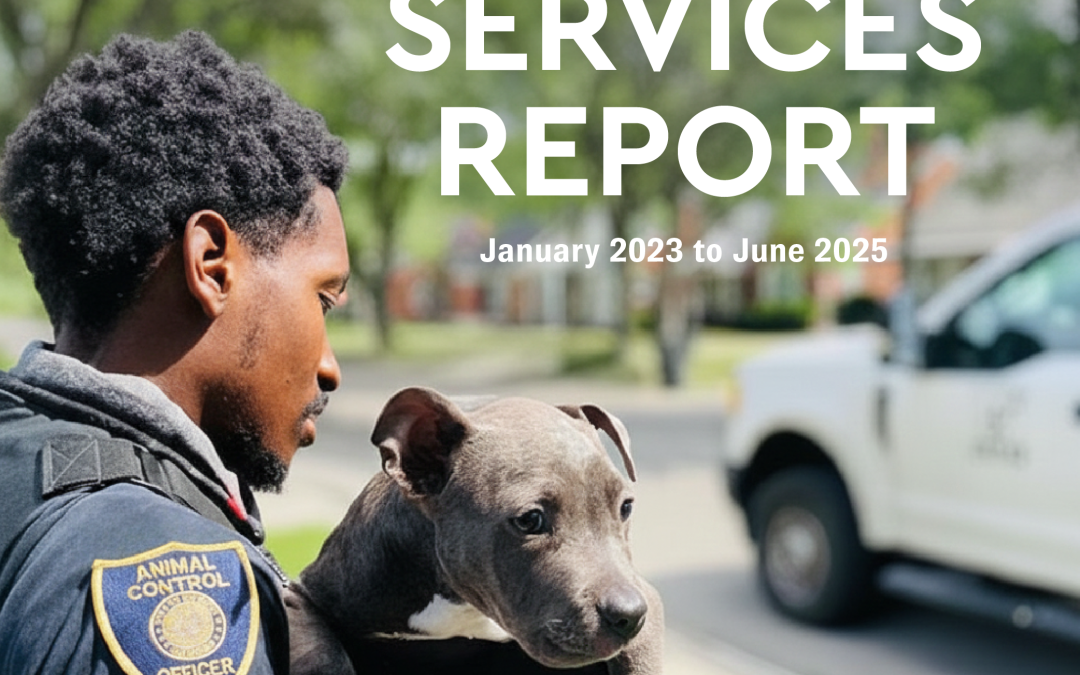
A First-of-Its-Kind Look at Field Services Nationwide: New Data Report Released
The landscape of animal control field services is rapidly evolving, yet until now, very little national-level data existed to represent the daily realities of this critical work. That changed today.
Shelter Animals Count (SAC), in partnership with the National Animal Care & Control Association (NACA) and with data support from Shelterluv, has released the first-ever national report dedicated entirely to animal control field services. This analysis represents a major milestone for the profession — and a vital step toward understanding, improving, and advocating for the officers and agencies working on the front lines of community safety and animal welfare.
As the leading organization supporting field officers nationwide, NACA is proud to help shine a spotlight on this essential work. Below, we break down the key insights and what they mean for the future of the field.
Why This Report Matters
Field services are a cornerstone of animal welfare and community safety, yet historically, they’ve been underrepresented in national datasets. While shelters have long tracked intake and outcomes, the day-to-day work of officers in the field — where most interactions with animals begin — has largely gone unmeasured.
By analyzing de-identified field data contributed through Shelterluv, this report begins to close a significant information gap. It gives agencies, policymakers, and communities a data-backed understanding of what field officers do every day, the challenges they face, and the opportunities ahead for more consistent tracking and resource support.
This is just the beginning — but it is a meaningful first step toward building a clearer, more unified national picture of field operations.
Key Findings at a Glance
The full report offers a deep dive into nationwide activities, but several themes emerge across agencies:
1. Quality of Life Calls Make Up the Majority of Activity
· These calls account for 60% of all field events.
· The category is driven largely by stray and at-large animals.
· Only 19% of these calls result in shelter intake, highlighting the problem-solving and community support nature of most field work.
2. Public Safety Remains a Core Priority
Public Safety calls make up 22% of all documented activity, including:
· 37% involving support for police, fire, or EMS
· 29% involving aggressive animals
· 22% related to bite incidents
This reinforces that field officers play an essential role in the broader public safety network.
3. Welfare Investigations Show Strong Emphasis on Education
Welfare-related calls make up 11%, including welfare checks, neglect concerns, and potential cruelty cases. Most of these situations are resolved without legal action. Instead, officers lean heavily on:
· Education
· Resource support
· Compliance checks
· Confirmation that no violation occurred
4. Most Animals Have Only One Recorded Interaction
Data shows that 70% of tracked animals had a single recorded encounter with officers. The remaining 30% represent recurring or ongoing cases — including return strays, welfare follow-ups, or community animals with ongoing needs.
What This Means for the Future of Field Services
This report marks a significant turning point for the field. With clearer data comes clearer opportunities:
· Stronger advocacy for resources, staffing, and training
· Better understanding of community trends and needs
· Improved professional standards through nationwide benchmarking
· Foundation for consistent data collection, something historically missing but essential for progress
For NACA, this analysis reinforces what officers have long known: their work is diverse, complex, and deeply rooted in both public safety and community care.
NACA’s Commitment to Field Professionals
NACA is committed to supporting officers and agencies as this data-driven era evolves. From field operations training to policy advocacy to national conversations about standards and certification, our focus remains steady — elevating and empowering those who do this work every day.
We encourage our members, partners, and community stakeholders to explore this groundbreaking report and join us in building a stronger, more informed future for field operations nationwide.
Read More
Read the full Shelter Animals Count Field Services Data Report here:
https://www.shelteranimalscount.org/field-services-data-report-2025
Explore more NACA resources, training, and news on our website:
Member Resources – National Animal Care & Control Association
by naca-web | Jun 1, 2025 | Announcements, Blog, Field Services, Position Statements
A Unified Safety Standard for Animal Control Officers
For the first time in our industry’s history, the National Animal Care & Control Association (NACA), in collaboration with 14 state associations, has released a jointly developed position statement focused on the safety and protection of Animal Control Officers.
This landmark document outlines minimum safety standards and gold-standard best practices for equipment, tools, and PPE, covering everything from bite-resistant gloves and control poles to uniform options and officer training requirements. But more importantly, this statement represents something even bigger: unity. As relationships between NACA and state associations have strengthened, so has our shared commitment to advancing the professionalism and well-being of officers across the country. This statement is a direct result of that collaboration, and it stands as a guiding resource for agencies committed to safety, humane handling, and officer support. This is more than a position statement, it’s a symbol of solidarity. Together, we are setting the standard for what officer safety should look like in the field, in the courtroom, and in our communities. We’re grateful to every association that contributed, and we look forward to working in lockstep to ensure Animal Control Officers have the tools, training, and protection they deserve.
by naca-web | Oct 9, 2024 | Announcements, Blog, Field Services
As Hurricane Milton approaches, the National Animal Care and Control Association (NACA) is actively supporting communities and their pets by helping to provide critical coordination and resources to ensure animal welfare is prioritized during this challenging time. For weeks, we’ve been behind the scenes helping coordinate efforts for Hurricane Helene’s recovery, and now we’re doubling down to assist with Milton. While we are not always the ones physically on the ground, our focus is on orchestrating efforts across multiple organizations and agencies to make sure resources and support are effectively deployed.
NACA’s role has been supporting and facilitating collaboration between multiple organizations, including federal partners and other national groups as part of the National Animal Sheltering Rescue Coalition. We help ensure that the many agencies involved—whether they are conducting field assessments, leading recovery missions, or staffing temporary shelters. We are also in regular contact with the Red Cross to ensure that animal welfare needs are part of the overall emergency response plans. As a coordinating body, we strive to make sure that all partners work seamlessly together, so human and animal services are aligned and optimized.
NACA is currently embedded in the Emergency Operations Center (EOC) in North Carolina, where we have been supporting coordination efforts for Hurricane Helene. As the situation develops with Hurricane Milton, we’re working to help fulfill activated MOUs to bring additional support to Georgia, where we’ll continue to act as a central communication and strategy hub. By maintaining a presence in these EOCs, we ensure that the right agencies are connected, informed, and able to respond quickly to changing needs.
We want to take a moment to thank all the animal control officers, shelter staff, emergency responders, and volunteers who have been working around the clock—often juggling both their daily duties and disaster response coordination. You are the boots on the ground making all of this possible, and we deeply appreciate the tireless work you do. While the demands are high and the pressure intense, we encourage you to prioritize taking care of yourselves and your families. Your well-being is just as important as the essential work you’re doing for your communities. Lean on each other, take breaks when you can, and remember that the NACA team is here to support and coordinate efforts to make sure you have what you need.
We’re in this together. Stay safe, and thank you for all you do!
— The NACA Team
by naca-web | Aug 12, 2024 | Announcements, Blog, Field Services
Transforming the Role of Animal Control Officers through AI
In recent years, Artificial Intelligence (AI) has revolutionized many fields, and animal control is no exception. Integrating AI into the daily tasks of animal control officers can significantly enhance their efficiency, accuracy, and overall impact. From data analysis to on-ground operations, AI offers a plethora of applications that can make the challenging job of animal control more manageable and effective. However, these opportunities come with important considerations and challenges.
AI can elevate data analysis and reporting to new heights. AI can quickly process and analyze large datasets, identifying patterns and trends that inform strategic decision-making. This includes tracking incidents of animal cruelty, neglect, and other relevant activities. Predictive analytics can forecast areas with higher probabilities of animal control issues, allowing for proactive measures rather than reactive responses.
Additionally, AI can optimize resource deployment, ensuring that animal control officers are sent to areas where they are most needed. This reduces response times and improves the overall efficiency of operations. Predictive maintenance of equipment and vehicles using AI can keep tools in optimal working condition, reducing downtime and ensuring readiness.
Integrating AI into common animal control practices, such as animal identification and tracking, can help swiftly reunite owners with pets, track the movements of at-large animals, and support existing tools like Petco Love Lost’s facial recognition software.
AI also has immense possibilities for enhancing public outreach and education. AI chatbots and virtual assistants can provide 24/7 support to the public, answering common questions about animal control policies, procedures, and services. AI-driven social media monitoring can help track and respond to public sentiment and feedback, allowing for better community engagement and education efforts.
However, along with these benefits come challenges and considerations. AI systems can unintentionally perpetuate biases present in the data they are trained on. It is vital to use diverse and representative datasets to ensure fair and unbiased outcomes. Regular audits and adjustments of AI systems can help mitigate bias and ensure ethical use.
Data privacy and security are also critical concerns. Handling sensitive data requires stringent privacy and security measures. Animal control officers must adhere to regulations and best practices to protect data from breaches and misuse. Ensuring transparency in how data is collected, stored, and used can help build public trust.
The reliability of AI systems is crucial, especially in high-stakes situations. Ensuring that AI tools are accurate and validated against real-world scenarios is essential. Regular updates and maintenance of AI systems can help maintain their accuracy and effectiveness.
Proper training is necessary to ensure that animal control officers can effectively use AI tools. This includes understanding the capabilities and limitations of technology. Encouraging a culture of continuous learning and adaptation can help in the seamless integration of AI into daily operations.
AI holds immense potential to transform the role of animal control officers, making their work more efficient, informed, and impactful. By leveraging AI for data analysis, animal identification, surveillance, resource allocation, and public outreach, officers can better protect and manage animal populations. However, it is crucial to address the ethical, privacy, accuracy, and training challenges associated with AI to ensure its responsible and effective use. As AI continues to evolve, its integration into animal control promises to enhance the capabilities and outcomes of officers dedicated to the welfare of animals.
by naca-web | Sep 2, 2023 | Blog, Field Services, Position Statements
Unity of Animal Control & Sheltering
The National Animal Care and Control Association [NACA] supports the integration of animal control and sheltering services under unified leadership. The potential union of these essential functions represents an approach that will greatly benefit the animals and communities served.Animal control and sheltering share a common goal of ensuring the well-being and safety of animals, as well as fostering positive relationships with residents. Bringing these two vital services under the same leadership is an incredible opportunity to streamline processes, enhance coordination, and amplify the impact of all efforts.
Here are a few reasons why NACA believes this integration is worth considering:
- Efficiency: Consolidating leadership can lead to more efficient resource allocation, reduced duplication of efforts, and a smoother workflow between animal control and sheltering
teams.
- Comprehensive Care: Integrated leadership allows a seamless continuum of care for animals, from their initial interaction with animal control to their eventual placement or return to their
owners.
- Community Engagement: With unified leadership, agencies and organizations can deliver a more consistent message to the community, promoting responsible pet ownership, animal
welfare education, and adoption initiatives.
- Enhanced Collaboration: Close collaboration between animal control officers and shelter staff facilitates the sharing of expertise, knowledge, and best practices.
- Effective Advocacy: A unified approach can strengthen advocacy efforts for improved animal welfare policies and regulations, benefiting both animals and the community as a
whole.
NACA believes that by unifying animal sheltering and animal control under the same leadership, agencies can foster a more comprehensive and impactful approach to animal welfare, achieve
more positive outcomes, and make a lasting impact on the lives of animals and the people who care for them.