by naca-web | Apr 6, 2020 | Blog, COVID19, Field Services, Shelter Operations
The American Veterinary Medical Association put an updated statement addressing the SARS-CoV-2 in animals, including pets. This statement provides some excellent information that provides clarity to many of the questions we have heard from animal services staff, volunteers, and the community at large.
The main takeaways are:
- Current expert understanding is that COVID-19 is primarily transmitted person-to-person.
- There is no evidence that dogs and cats naturally infected with the SARS-CoV-2 virus (the virus that causes COVID-19) spread it to other pets or people.
- There is no reason to remove pets from homes where COVID-19 has been identified unless there is a risk that the pet itself is not able to be cared for appropriately. The best place for pets is at home.
- If you are ill with COVID-19, you should restrict contact with pets and other animals.
- Despite over one million cases of COVID-19 worldwide, we have only seen examples of two dogs, one cat,, and one tiger with positive tests for infection as a result of suspected natural spread.
As always, our top priority is the health and safety of our animal services staff and the communities (including pets) that we serve. It is for this reason that we are asking animal services, especially municipal shelters or shelters, holding a municipal contract to adhere to emergency field operations only. This means limiting calls for service to public safety concerns, sick/injured animal calls, and legally mandated quarantines that cannot take place outside the shelter. As we begin to see larger numbers of people impacted by COVID-19, we must prepare for the possible influx of COVID exposed animals to our shelters.
The first thing animal services agencies should be doing to prepare for this potential influx is communicating the urgency for pet owners to have a plan. Pet owners should develop an action plan for what will happen to their pet if they are to fall ill and are unable to provide care, including the name and contact information for a family member or friend who has agreed to provide care. Here is a sample outline for such a plan.
In the event that pets must come into a shelter, municipal shelters and those holding municipal contracts are most likely to have staff appropriately trained and equipped to deal with infectious disease outbreaks. These organizations should also have a veterinarian on staff or a contract with a veterinarian who can provide medical oversight/guidance for the reduction of spread. The key points regarding this type of intake transition are:
- Quarantine facilities should only be taking in sick/injured animals, animals exposed or potentially exposed to COVID-19, and animals on legally mandated rabies quarantine that cannot take place outside the shelter.
- Local Non-Profit Shelters (not operating government contracts), rescue organizations, and foster networks should be utilized to take in and house healthy stray and owner surrender pets.
- Animals taken in for COVID-19 quarantine should be housed in isolation (separated from all other animals housed at the facility) for 14 days before transitioning to other placement options, including short- or long-term foster care.
by naca-web | Apr 2, 2020 | Blog, COVID19, Field Services, Shelter Operations
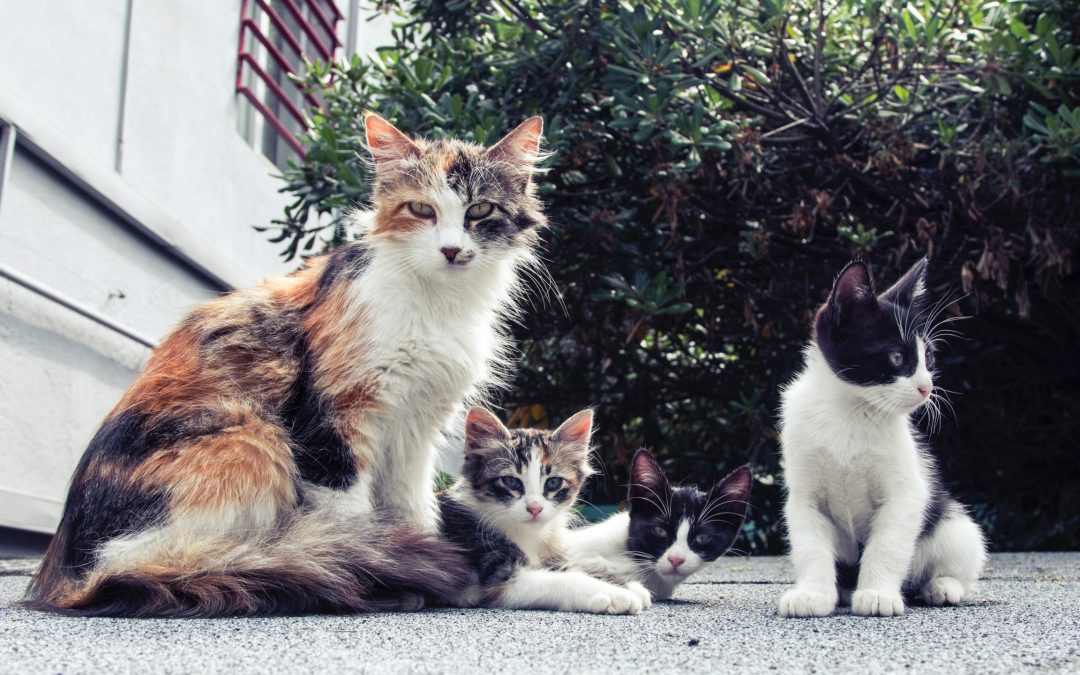
One of the main concerns we have been hearing this week surrounding the COVID-19 Pandemic is timing. No time is ideal, but on the precipice of puppy/kitten season, really?!? Consistent messaging from the leading experts on the subject of intake is Emergency Intake Only! The position statement from NACA on the issue has been endorsed by the University of Wisconsin-Madison Shelter Medicine Program, The Association for Animal Welfare Advancement, University of Florida- Shelter Medicine Program, The Humane Society of the United States, and many more. All that being said, what we continue to hear is, “What about the abandoned kittens?” First, are we 100% sure they are abandoned? Information that has been shared over the years continues to show us just how unlikely unweaned kittens are to be truly abandoned. Whenever possible, kittens should be left to the care of their mothers. Charlotte-Mecklenburg Animal Care & Control in North Carolina put together a video on this issue, which is easily shared via social media with your communities. If kittens do enter the system, get them out as quickly as possible. These recommendations will aid in animal services departments balancing human and animal health and safety. Our communities and volunteers are fantastic supporters of the work we do every day, during this time of crisis we must engage them in pushing out the “Don’t Kit-Nap” or “Leave them Be” messaging. Pasco County Animal Services in Pasco County, FL, has had tremendous success with their “Leave them Be” program, and I know their Assistant Director Spencer Conover is always happy to discuss their model. Another group doing fantastic work with community cat programming is the Humane Rescue Alliance; their Director of Regional Outreach (who also happens to be on the board of NACA), Alice Burton is a genuinely amazing person and a fantastic resource when it comes to moving cats and kittens out of your shelters as quickly as possible. The key messages surrounding cats and kittens during this pandemic are:
- Only bring them into your care if it is an absolute emergency, and you have exhausted all other options.
- If you do bring them in, especially the kittens requiring intensive care, get them back out as quickly as possible
- Our priority during this pandemic must be the health and safety of our human staff and citizens first, and one way we can aid in keeping our teams safe and healthy is by encouraging citizens to “Leave them Be”
- We understand and acknowledge the communities concern surrounding the potential for an increased number of kittens this season due to the suspension of SNR services. These concerns are shared by many, but our priority at this time must be on the health and safety of staff and citizens, a conscious effort will be made to make up for ground lost in the area of SNR once we return to normal operations.
by naca-web | Apr 1, 2020 | Blog, Shelter Operations
Animal control and animal welfare in general have been forced to think outside the box for years, and COVID-19 is no different. In fact, this pandemic has sparked many agencies to begin following some of the nationally-recognized and growing best practice models. These include reducing the number of animals housed in physical sheltering facilities and increasing the numbers being routinely housed in foster care and in the community.
The National Animal Care & Control Association (NACA) is striving daily to ensure that we are providing each of our members as well as other animal control officers across the country with the support and information they need.
As of now NACA has published the following list of position statements, which are intended to provide guidance to shelters struggling to make sound decisions that balance lifesaving and animal control functions. They are:
NACA is also working actively with our partner organizations on the national level to develop and distribute information. We have worked with organizations such as American Pets Alive, The Association for Animal Welfare Advancement (The Association), The Humane Society of the United States (HSUS), Best Friends Animal Society, the American Society for the Prevention of Cruelty to Animals (ASPCA), Maddie’s Fund, and many more. Here are a few links to tool kits that may help you in developing policies, procedures, and programs in order to maintain or enhance your operations during this pandemic:
Now we want to hear from you, the members that we serve and who are boots on the ground getting the essential work done during this challenging time! What are your current fears, concerns, and needs? How can NACA help? Please share in the comments below what information NACA can work on pulling together to aid you in the best way possible. We are here as a resource for you and we want to ensure that we are providing you with the most impactful position statements, letters of support, and information that you can use to influence, encourage, and directly implement change to ensure the good work you do day in and day out not only survives, but thrives in this time of need!
Dr. Fisher has an educational background in population management/medicine, public health, veterinary sciences, informatics, and healthcare administration. He has been working in the veterinary medical/animal welfare field for over 15 years holding management roles in private practices, cooperate practices, the NCSU College of Veterinary Medicine, county government, and now as the Animal Services Director for the City of Charlotte/Charlotte-Mecklenburg Police Department. A strong advocate for professional development and growth in the animal welfare industry, Josh seeks to involve staff in continued education and training opportunities as well as in cutting edge industry research. His professional interests focus on disease reduction/prevention, advanced marketing/placement and intake reduction tactics, strategic planning, and staff career development in the area of animal welfare. His projects include increasing interest of veterinary/veterinary technician students in the animal welfare industry as well as working with community veterinarians to break down barriers, develop relationships, and increase involved in community focused animal welfare (animal control and sheltering) practices. It is a passion of Josh’s to bring a level of awareness to the animal welfare industry in such a way that young adults and college students make the decision to pursue animal welfare as a profession rather than falling into it by chance.