by naca-web | Dec 4, 2025 | Announcements, Field Services
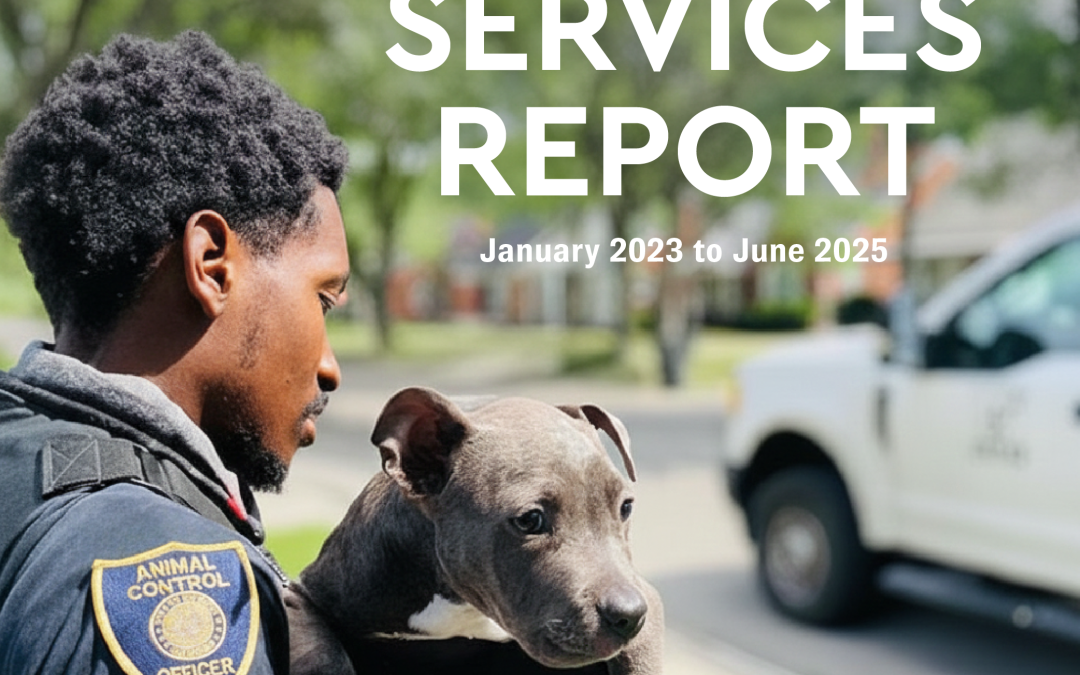
A First-of-Its-Kind Look at Field Services Nationwide: New Data Report Released
The landscape of animal control field services is rapidly evolving, yet until now, very little national-level data existed to represent the daily realities of this critical work. That changed today.
Shelter Animals Count (SAC), in partnership with the National Animal Care & Control Association (NACA) and with data support from Shelterluv, has released the first-ever national report dedicated entirely to animal control field services. This analysis represents a major milestone for the profession — and a vital step toward understanding, improving, and advocating for the officers and agencies working on the front lines of community safety and animal welfare.
As the leading organization supporting field officers nationwide, NACA is proud to help shine a spotlight on this essential work. Below, we break down the key insights and what they mean for the future of the field.
Why This Report Matters
Field services are a cornerstone of animal welfare and community safety, yet historically, they’ve been underrepresented in national datasets. While shelters have long tracked intake and outcomes, the day-to-day work of officers in the field — where most interactions with animals begin — has largely gone unmeasured.
By analyzing de-identified field data contributed through Shelterluv, this report begins to close a significant information gap. It gives agencies, policymakers, and communities a data-backed understanding of what field officers do every day, the challenges they face, and the opportunities ahead for more consistent tracking and resource support.
This is just the beginning — but it is a meaningful first step toward building a clearer, more unified national picture of field operations.
Key Findings at a Glance
The full report offers a deep dive into nationwide activities, but several themes emerge across agencies:
1. Quality of Life Calls Make Up the Majority of Activity
· These calls account for 60% of all field events.
· The category is driven largely by stray and at-large animals.
· Only 19% of these calls result in shelter intake, highlighting the problem-solving and community support nature of most field work.
2. Public Safety Remains a Core Priority
Public Safety calls make up 22% of all documented activity, including:
· 37% involving support for police, fire, or EMS
· 29% involving aggressive animals
· 22% related to bite incidents
This reinforces that field officers play an essential role in the broader public safety network.
3. Welfare Investigations Show Strong Emphasis on Education
Welfare-related calls make up 11%, including welfare checks, neglect concerns, and potential cruelty cases. Most of these situations are resolved without legal action. Instead, officers lean heavily on:
· Education
· Resource support
· Compliance checks
· Confirmation that no violation occurred
4. Most Animals Have Only One Recorded Interaction
Data shows that 70% of tracked animals had a single recorded encounter with officers. The remaining 30% represent recurring or ongoing cases — including return strays, welfare follow-ups, or community animals with ongoing needs.
What This Means for the Future of Field Services
This report marks a significant turning point for the field. With clearer data comes clearer opportunities:
· Stronger advocacy for resources, staffing, and training
· Better understanding of community trends and needs
· Improved professional standards through nationwide benchmarking
· Foundation for consistent data collection, something historically missing but essential for progress
For NACA, this analysis reinforces what officers have long known: their work is diverse, complex, and deeply rooted in both public safety and community care.
NACA’s Commitment to Field Professionals
NACA is committed to supporting officers and agencies as this data-driven era evolves. From field operations training to policy advocacy to national conversations about standards and certification, our focus remains steady — elevating and empowering those who do this work every day.
We encourage our members, partners, and community stakeholders to explore this groundbreaking report and join us in building a stronger, more informed future for field operations nationwide.
Read More
Read the full Shelter Animals Count Field Services Data Report here:
https://www.shelteranimalscount.org/field-services-data-report-2025
Explore more NACA resources, training, and news on our website:
Member Resources – National Animal Care & Control Association
by naca-web | Aug 26, 2025 | Announcements, Press
Media Contact: Paige Strott
paiges@americanhumane.org
Animal Rescue Organizations Train and Collaborate on Disaster
Preparedness 20 Years After Hurricane Katrina
Animal Welfare Organizations Available to Discuss Significant Improvements in Animal Disaster Readiness and Response Achieved in the 20 Years Since Hurricane Katrina
Washington, D.C. (August 7, 2025) – Organizations that make up the National Animal Rescue and Sheltering Coalition (NARSC) have made significant improvements to animal disaster response in the 20 years since Hurricane Katrina struck Louisiana.
To improve readiness in the aftermath of Hurricane Katrina, animal rescue and animal welfare organizations came together to create NARSC to identify, prioritize and find collaborative solutions to major human-animal emergency issues. NARSC has led to collaboration between agencies that used to operate in silos, and the coordination of resources to better help communities especially during widespread disasters.
“Since Hurricane Katrina, NARSC has transformed how we respond to disasters, not by working alone, but by working together,” said Jerrica Owen, president-elect of NARSC and Executive Director of the National Animal Care and Control Association. “Today, collaboration is our strongest asset. By uniting national organizations, state agencies, and local responders under a common mission, we’ve built a more coordinated, compassionate, and effective approach to disaster response for animals and the people who love them.”
During January 2025 wildfires in Los Angeles, NARSC members, including wildfire trained responders, collaborated to help with LA County Animal Search and Rescue, led emergency animal transports, provided animal incident management support, and established sheltering and support systems like fostering networks, reunifications, and pet food and supply management and distribution.
Over the course of six weeks, NARSC member organizations rescued and evacuated more than 5,000 animals stranded and dehydrated due to Hurricane Katrina. Additionally, many NARSC member organizations were part of the animal rescue team at The Lamar-Dixon Expo Center, which became the largest animal shelter and animal rescue operation in U.S. history.
During Hurricane Katrina, tragically an estimated 50,000 to 70,000 pets were killed and hundreds of thousands were left behind during evacuations and displaced. NARSC was founded to prevent tragedies of this scale and protect animals in harm’s way.
NARSC member organizations have established a network of highly trained and experienced first responders and helped write the FEMA resource typing for animal positions during disasters. Additionally, NARSC members work proactively to provide training, exercises, education, and share lessons learned in disasters to help communities build resilience and be better prepared.
The NARSC members are American Humane Society, American Red Cross, American Society for the Prevention of Cruelty to Animals, American Veterinary Medical Association (AVMA), ASAR Training and Response, The Association for Animal Welfare Advancement, Association of Zoos and Aquariums, Code 3 Associates, the International Fund for Animal Welfare, National Animal Care and Control Association, National Alliance of State Animal and Agricultural Emergency Programs, Petco Love, PetSmart Charities and RedRover.
NARSC member organizations shared the following on their disaster readiness improvements and reflections in honor of the 20th Anniversary of Hurricane Katrina.
“American Humane Society was proud to be boots on the ground during Hurricane Katrina, as part of our nearly 150-year history of rescuing, caring for, and protecting animals,” says Cesar Perea, Associate Vice President of Rescue at American Humane Society. “As one of the founding members of NARSC, we have worked alongside member organizations over the past 20 years to help ensure we are prepared to save animals when disasters strike.”
“In the two decades since Hurricane Katrina devastated the Gulf Coast, we’ve seen the animal welfare community come together to share learnings, enhance coordination and communication, and implement emergency response best practices in communities hit hardest by severe weather events,” says Susan Anderson, ASPCA senior director of disaster response. “With disasters becoming even more frequent and destructive, we know we are most effective in preventing tragedy and saving lives when we proactively prepare, evolve, and work alongside one another.”
“The AVMA has transitioned away from the model of national veterinary response teams (Veterinary Medical Assistance Teams – VMAT) to encouraging and supporting the development and training of state level veterinary response teams,” said Warren J. Hess, DVM, Disaster Coordinator for AVMA). “As part of this effort, the AVMA has created the Veterinary First Responder Certificate Program which trains veterinarians with an entry level of knowledge needed to become a first responder.”
“We’ve come a very long way in twenty years when it comes to reuniting lost pets in times of disasters,” said Petco Love President Susanne Kogut. “Petco Love Lost, our free nationwide lost and found pet database, is used by thousands of participating animal shelters, pet parents, and finders of lost pets displaced during and after disasters. Using “technology for good,” our AI photo-matching technology has reunited more than 100,000 lost pets with the families who love them.”
RedRover Director of Field Services Beth Gammie said, “Hurricane Katrina’s catastrophic impact made it clear that human and pet safety are inseparable during disasters. Seeing pets included in disaster preparedness plans, and the collaborative effort between organizations to ensure evacuations that protect all family members is real progress.”
NARSC fully integrates into emergency management processes consistent with the National Incident Management System (NIMS). Member agencies have cooperatively responded nationally and internationally to wildfires, floods, ice storms, tornadoes, hurricanes and other natural disasters; as well as human-caused animal disasters including hoarding situations.
Following Hurricane Katrina, NARSC members delivered an Open Letter to the 109th US Congress which advocated for a more comprehensive national emergency disaster response: one that accounts for animals as well as people. The PETs Act was then established, which represented a monumental step forward in ensuring the safety and well-being of animals during disasters. The PETs Act requires states, cities, and counties to address the needs of household pets and service animals in their emergency preparedness disaster relief planning and response to be eligible for federal reimbursement of eligible expenses.
For more information, please visit thenarsc.org and for photos of deployments and NARSC trainings please visit this link. Additionally, please reach out to our media contact for interview requests.
###